




For the non-believers up to that point, they stood up and paid attention at the 2008 British Grand Prix on a wet track where Lewis Hamilton qualified only fourth. Lewis took the lead 5 laps into the race, quickly built a 6 second gap and ended up winning the race by over a minute, lapping most of the field, except the top three cars. For a young driver, it was an extraordinary performance in front of his home crowd, one which signaled his pending dominance in the sport, and with it came a voice that was willing and able to challenge the status quo the sport was all too comfortable to embrace and protect.
…… As person of color, it has been an absolute pleasure to write about Lewis Hamilton’s advocacy for underserved, underrepresented, and marginalized communities. Highlight by his work through The Hamilton Commission, an initiative set-up by the seven-time world champion to increase representation of black people in UK motorsport, and his efforts through Mission 44, a foundation launched by Lewis to support, champion and empower young people from underrepresented groups in the UK to succeed. His fundamental impact has caused Formula One to no longer be able to ignore the lack of diversity in the sport and the structural racism and inequality that exists in places F1 ply its trade.
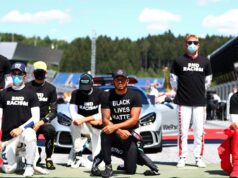
Lewis has used and continues to use his stardom and stature in F1 to force change by being vocal and making it clear that Formula One has not done enough to improve diversity. He has been quoted as saying “We have said things, and there’s been statements released, and we’ve made gestures such as kneeling, but we’ve not changed anything, except for perhaps some of our awareness.”
F1 has remained comfortable with its stars staying silent and towing the corporate line, we have seen the likes of Kimi Raikkonen being lauded for such statements as “I don’t care about the others” and “Leave me alone” but for once, we have a man who is at the pinnacle of the sport being willing to stand for something that is selfless and admirable.
Sporting stars have always been hesitant to engage in social or political activism. They are almost always worried about their brand and sponsorship, leading back inevitably to money — but in this particular case, in a sport that was built for the privileged, dominated by the rich who could afford to race, often ruled by white men, we have a singular figure, a black man, the most decorated driver in history being willing to stand for something far greater than race wins. I admire the man for not only wanting to win races but to be being willing to make sacrifices and accept harsh criticism to build a legacy of change that will follow him well beyond the grid.